A dispensing barrier should not become a disconnect in care
An oncology prescription begins with a treatment decision. What follows can determine how smoothly that decision becomes a medication in the patient’s hands: benefits verification, authorization, affordability support, dispensing, and delivery. For the patient waiting to begin or continue therapy, each handoff matters.
A Medically Integrated Pharmacy (MIP) is closely connected to the patient’s oncology team. But there are circumstances in which that pharmacy cannot dispense the prescribed medication. Payer requirements, product distribution restrictions, or reimbursement challenges may require an outside dispensing pathway.
The prescription may need to move. The connection to the treating team should remain. That is where SortPak’s partnership with the MIP becomes meaningful—for the patient, the practice, and the manufacturer.
An extension of the MIP, built around the patient
SortPak works alongside oncology centers to coordinate medication access when an external partner is needed and SortPak is authorized and able to dispense the therapy. The treating clinicians continue to direct care, while SortPak works with the MIP on the steps required to move the prescription forward.
The aim is a coordinated transition with clear responsibilities: who is gathering the records, what authorization is outstanding, whether assistance needs to be explored, and when delivery needs to occur. Those details make a referral actionable and help teams identify where a patient may be waiting.
The journey: from referral to a planned delivery
First, establish the handoff. The MIP and SortPak coordinate the prescription, supporting information, and appropriate contact points so questions can return to the right people. The referral should carry forward the practice’s context rather than leave the patient to navigate a new process alone.
Next, address the access requirements. SortPak coordinates benefits, prior authorization, and available dispensing options with the practice. Where applicable, the team explores copay assistance or patient assistance pathways. Eligibility, payer decisions, and product access requirements still govern what can proceed.
Then, coordinate the delivery. Once dispensing requirements are met, the team works with the patient and care partners on delivery arrangements. Planning around the intended treatment schedule helps everyone understand what needs to happen next and where an unresolved issue could affect timing.
Finally, keep the care team informed. A shipment is an important milestone in an ongoing treatment relationship. Clear status updates help the MIP follow the prescription’s progress and coordinate questions with SortPak.
Timely access depends on visibility before the shipment
Supporting on-time medication delivery starts before a package leaves the pharmacy. It requires teams to see the outstanding steps, recognize a missing authorization or record, and communicate while there is still time to act.
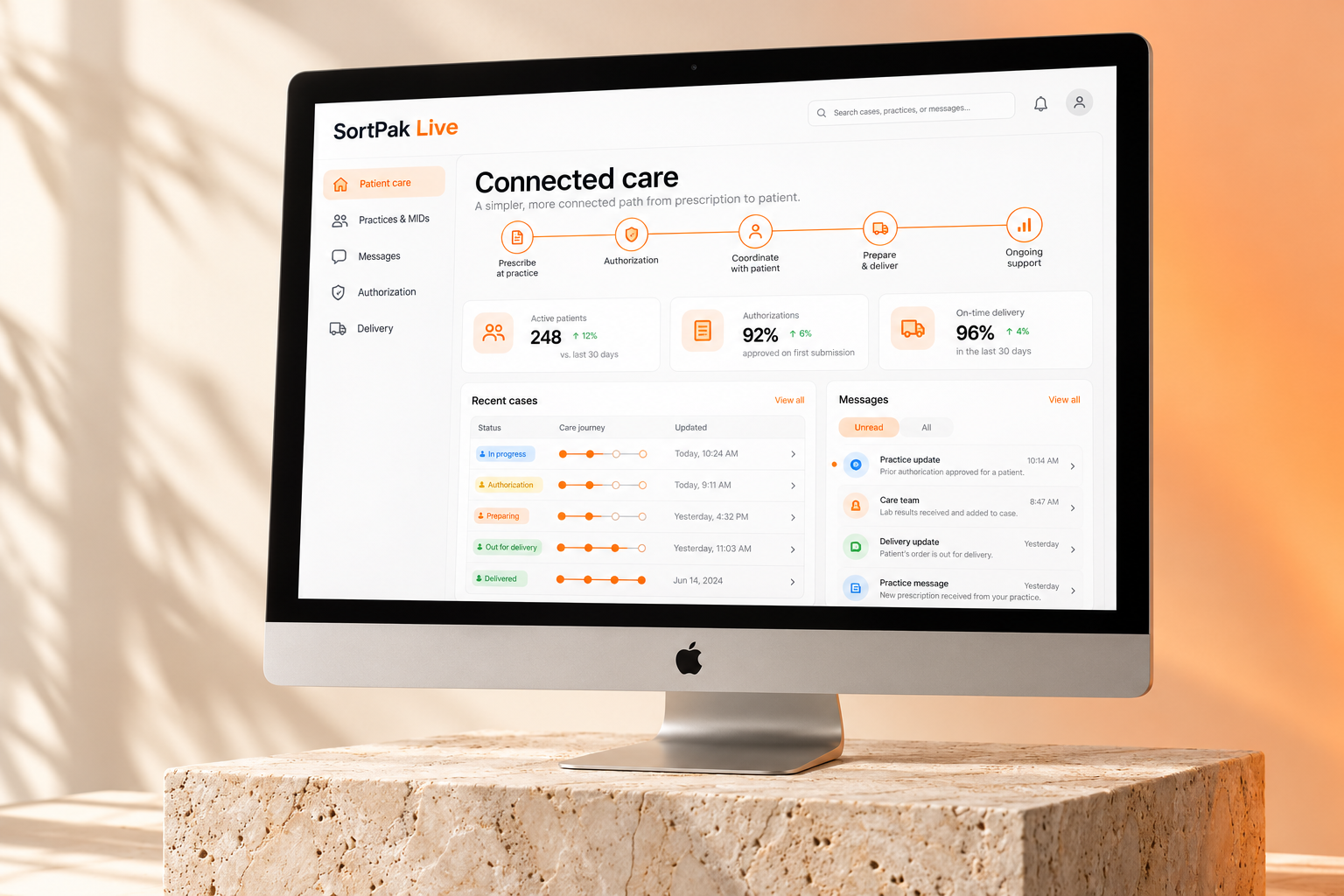
SortPak Live gives authorized practice users access to prior authorization status, case notes, order status, delivery dates, and messaging with the SortPak team. Access is scoped to the practice’s patients and authorized care team, helping the MIP remain connected after referring the prescription.
Delivery timing depends on authorization, product availability, and other prescription-specific requirements. SortPak’s role is to coordinate those dependencies, communicate the status, and help patients and practices plan around the next step.
Why this matters to oncology manufacturers
For a manufacturer, distribution access is only part of the patient experience. The referral journey also needs to work when the pharmacy closest to the treating team cannot dispense. A complementary partner can help bridge that gap without disconnecting the practice from the medication journey.
SortPak offers a partnership approach centered on the MIP relationship: coordinate the available dispensing pathway, communicate about access needs, and give authorized care partners visibility into the case. Manufacturer-specific program requirements, distribution authorization, and reporting expectations must be established for each partnership.
The opportunity is practical: build a pathway that supports patients who need an outside dispensing option while respecting the oncology center’s clinical role. When responsibilities are clear, the patient has a connected team working toward access rather than an unexplained transfer.
Build the next pathway around the care relationship
For manufacturers considering how their network supports MIP-referred patients, the useful questions are specific: What happens when the MIP cannot dispense? Who owns the next action? How does the practice learn whether access is progressing? How are delivery expectations communicated?
SortPak welcomes conversations about those handoffs and the patients they affect. The goal is to help patients receive their prescribed medications in a timely, coordinated way while keeping the treating practice involved.
When the dispensing location changes, continuity should remain part of the plan.
Connect with SortPak
Discuss a manufacturer partnershipThis article provides general information about SortPak services. For medication or treatment guidance, contact your pharmacist or prescribing clinician.